The Art of Being Misunderstood
Much of my life has revolved around the desire to be understood. It’s why I started writing songs at 11 years old, and it’s why I’m writing this now.
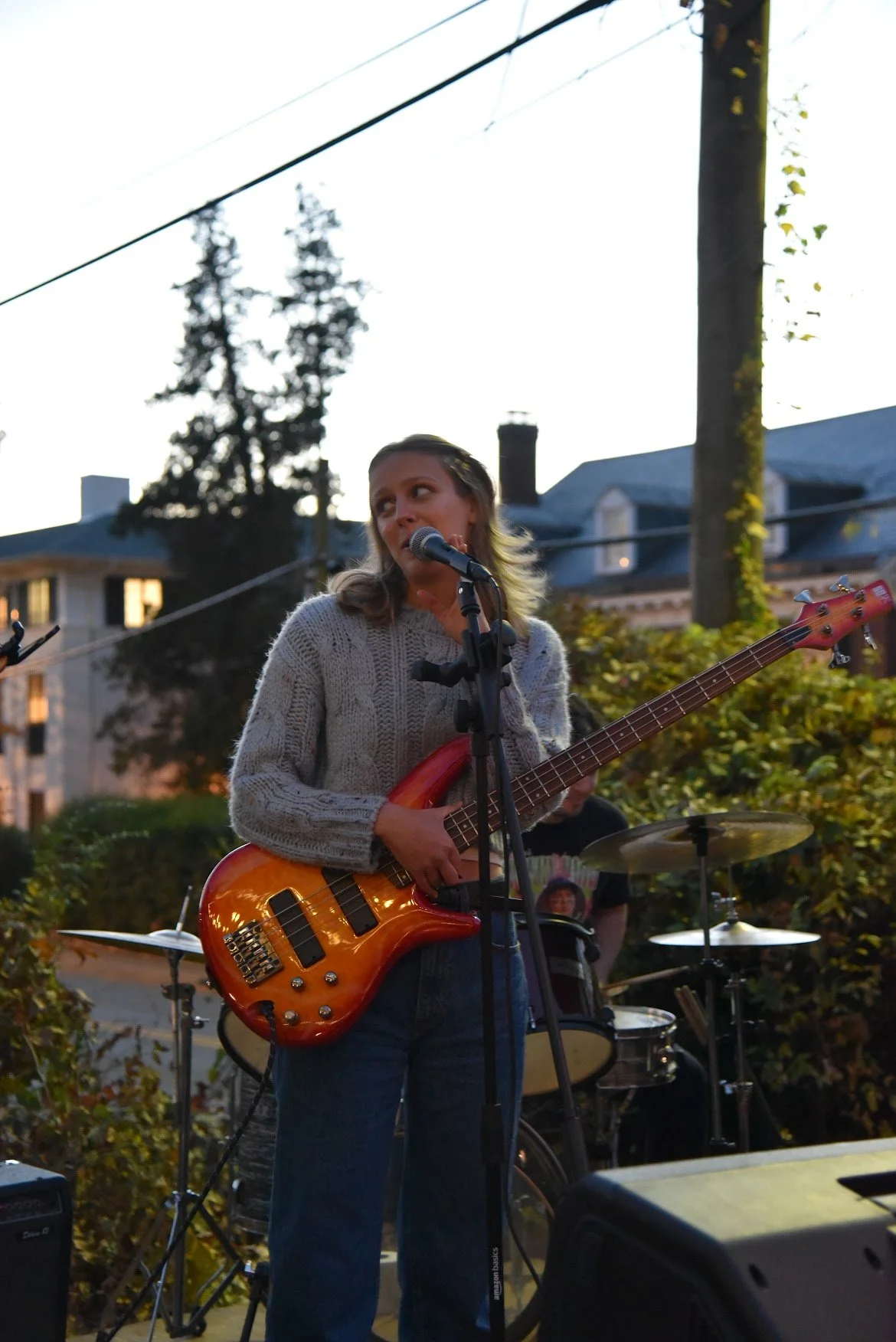
When I turned 13, though, that feeling was suddenly much harder to come by. Friends could become strangers within weeks, and it seemed like all my peers and I had been given a new social script – except everyone had different versions, the director was always on vacation, and I could never remember my lines.
To survive in that environment, the average middle schooler abided by some basic rules of warfare: Lay low – and don’t draw attention to yourself.
But I was a performer, and performers don’t want to wear camouflage. They want to be seen.
So when my teacher presented me with that opportunity one miraculous day in 8th grade English class, I took it. Volunteers would sit in a chair at the front of the room and read an excerpt from our favorite book, she said. Most miraculous of all: For a few short seconds, everyone would be forced to listen.
This was my moment.
I’ll Give You the Sun… If You’ll Give Me a Second
I knew exactly the book I would choose: I’ll Give You The Sun by Jandy Nelson, which I had coincidentally picked up at Barnes & Noble earlier that summer – and which had coincidentally changed my life. It was a book about grief, growing up, and growing apart from those closest to you. Those were feelings I was becoming familiar with under the suffocating white lights of junior-high hallways.
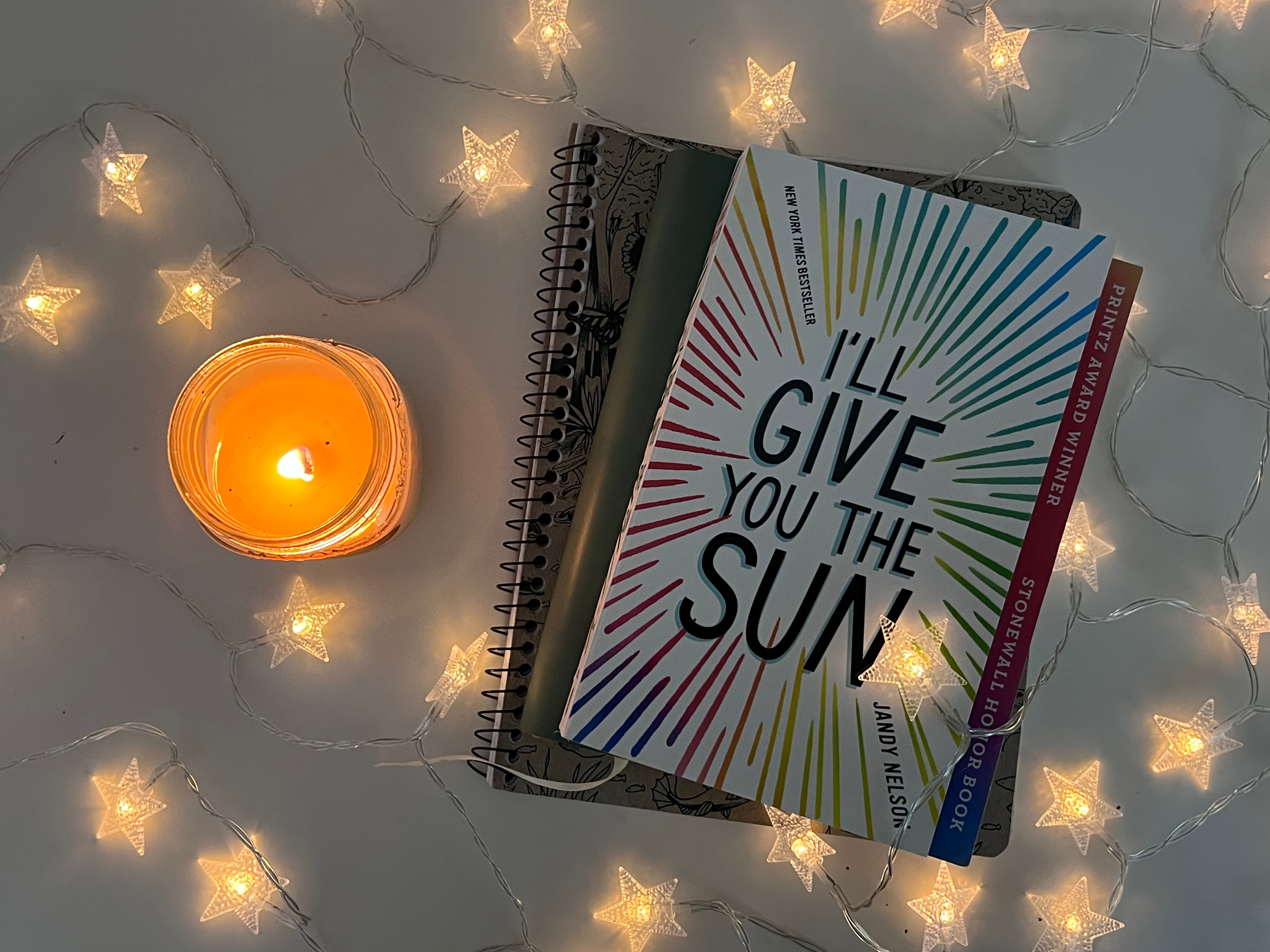
I had never wanted to be more like a main character. Noah, one of the story’s two protagonists, was an artist who painted pictures in his mind, strung together colorful prose instead of normal, unhearable thoughts, stargazed on roofs, and daydreamed through the forests of northern California. He, too, was lonely, and he also didn’t know how to change to make people know him better.
I had somehow convinced myself that I wasn’t as interesting as him because I didn’t live near any redwood trees (I lived in a sticky-summer suburb outside of DC), and I wasn’t allowed on the roof of our house.
Years later, though, I would realize that I loved Noah so much because he reminded me of myself.
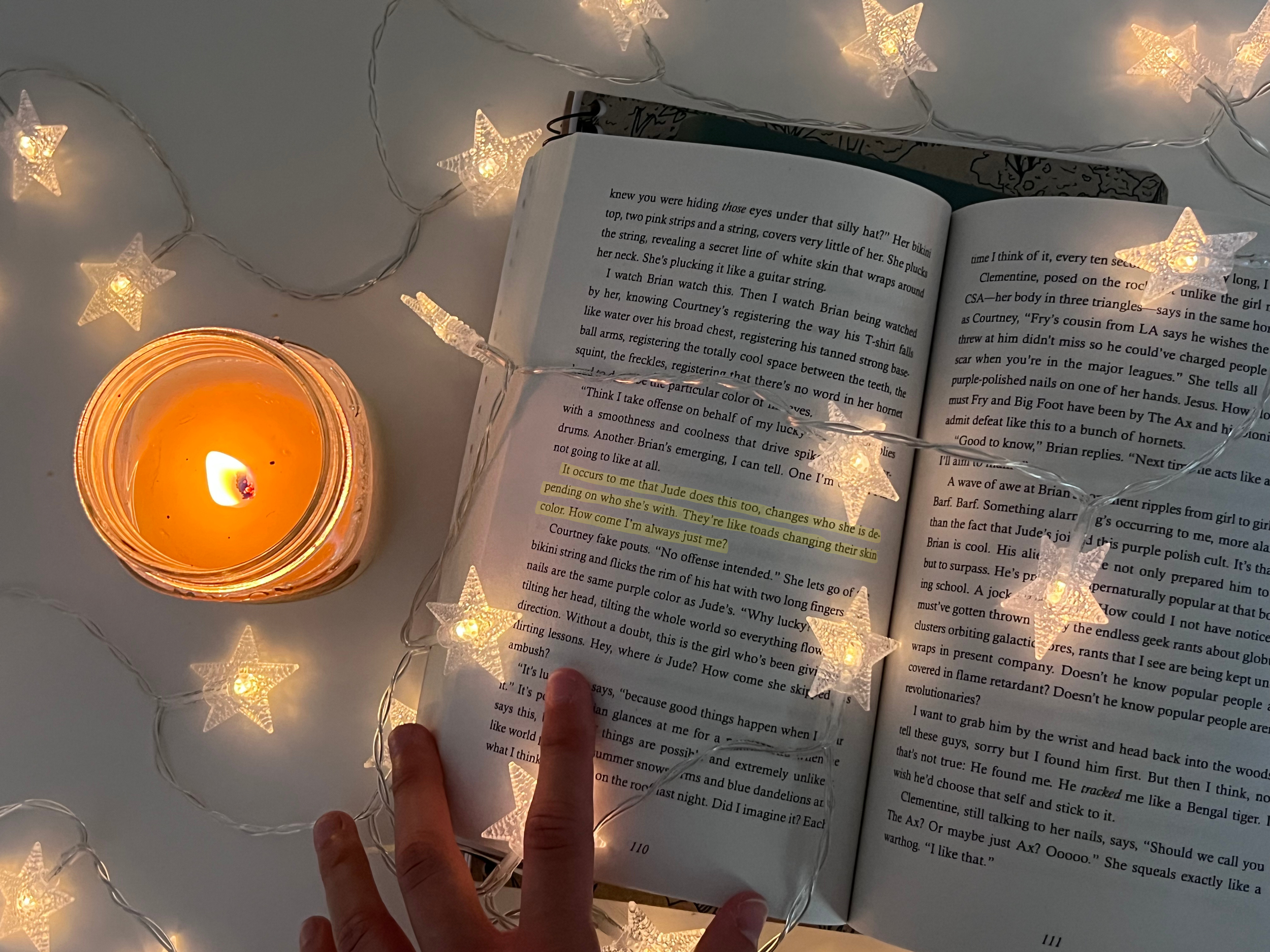
“It occurs to me that Jude does this too, changes who she is depending on who she’s with. They’re like toads changing their skin color. How come I’m always just me? ”
Life – and Art – in a World Full of Toads
To provide some context: Jude was Noah’s twin sister, who was seasoned in changing her stripes. She was popular and beautiful and understood the social rules that eluded Noah. After their mother dies, though, they switch roles.
Jude becomes the reclusive weirdo, hearing her dead grandmother from beyond the grave and carrying onions in her pocket to ward off illness. Meanwhile, Noah learns how to be a social chameleon. After the boy he loves breaks his heart and his dream of attending a prestigious art school is shattered, he shoves himself into the closet, stops drawing, and starts going to parties and pretending to like sports.
Though I hadn’t lost my mother like Noah had, I felt so seen by his uniqueness, and doubly seen by his sudden drop in creative confidence. For as long as I could remember, I was an extroverted ball of energy. I sang at recitals and talent shows, and danced wildly to music in public without caring who saw.
But at 13, I suddenly cared a whole lot. And when I tried to channel that girl who didn’t, it was like trying to etch a more fitting picture over an old tattoo. It just wasn’t possible.
So, like Noah who gave up on his art, I gave up performing. And like Noah, who felt a newfound need to hide his sensitivity, I stopped smiling at strangers and believing that anyone I sat next to in class was my friend.
But I never gave up the desire to be understood. And though I wouldn’t share them with anyone, the songs I wrote and the books I read quickly became the only places I felt truly known.
So as I sat there in my 8th grade English class, reading my favorite line from my favorite book of all time, I felt sure that something would click in those around me. They would see, finally, that I was just like them; the only difference was that I had no idea how to hide the uncomfortable parts of my humanity that others seemed to tuck away so effortlessly.
But instead of us all experiencing some revelatory moment of connection, the lunch bell rang and the half-listening class was dismissed.
𖤓 ☆ ☼ 𖤓 ☆
𖤓 ☆ ☼ 𖤓 ☆
I don’t regret that moment, or my earnest hope that someone would hear me speaking from the heart and be touched by it. I also don’t regret the disappointment I felt when that didn’t happen.
But it did teach me a lesson:
While art can be a powerful agent for bringing people together, it is just as often a shout into a long, dark tunnel – with no guarantee that there’s someone on the other side.
From One Daydreamer to Another, Here’s How You Cope
David Bowie once said in an interview: Never play to the gallery. Because the moment you start playing the music you think other people want to hear is the moment you lose touch with the reason you made it.
That can feel paradoxical. As artists, we often create to feel more understood. But once the result of that compulsion is released, we have to release our neuroses along with it.
At 13, I was writing songs in the shadows. Today, I have catapulted 8 self-produced songs into the world for the judgment and scrutiny of others. I don’t feel more understood by the people who don’t get me. But those aren’t the people who are really listening, anyway.
When I release a song, I know that not everyone will like it. And that’s okay. Because integral to the process of art-making is the process of art-sharing, where you relinquish the burden of control. You’ve done your part: you’ve been true to yourself. And just like in the real world, how others respond is no one’s business but their own.
I have come a long way since that 8th grade English class. Sitting in that hard plastic chair in that room full of raging hormones, I hated that it felt like self-betrayal to change who I was for others.
Now, I have no interest in being a color-shifting toad, because sharing my art has helped me to learn another:
The art of being misunderstood.
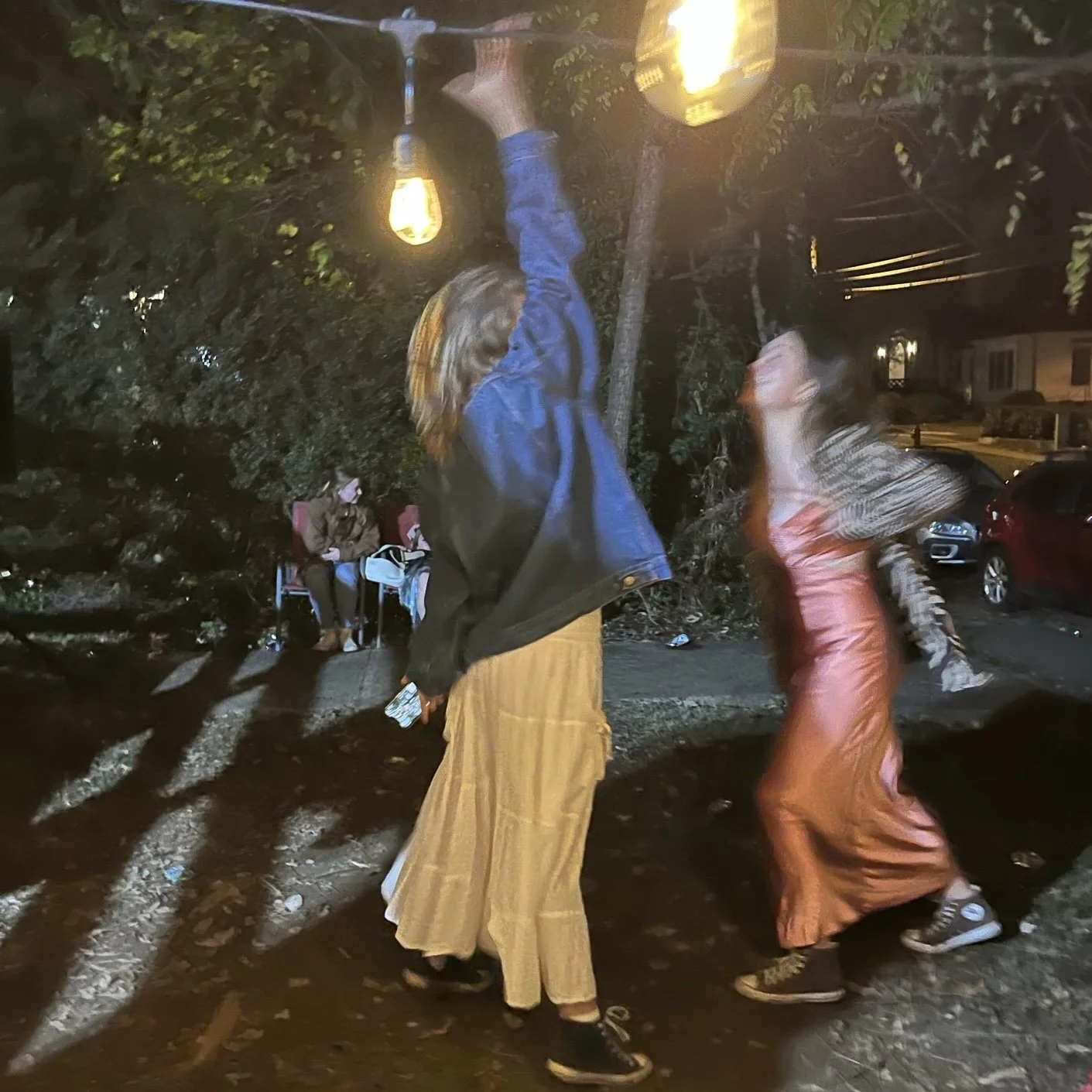
Dancing, wildly, with my good friend Gabby.
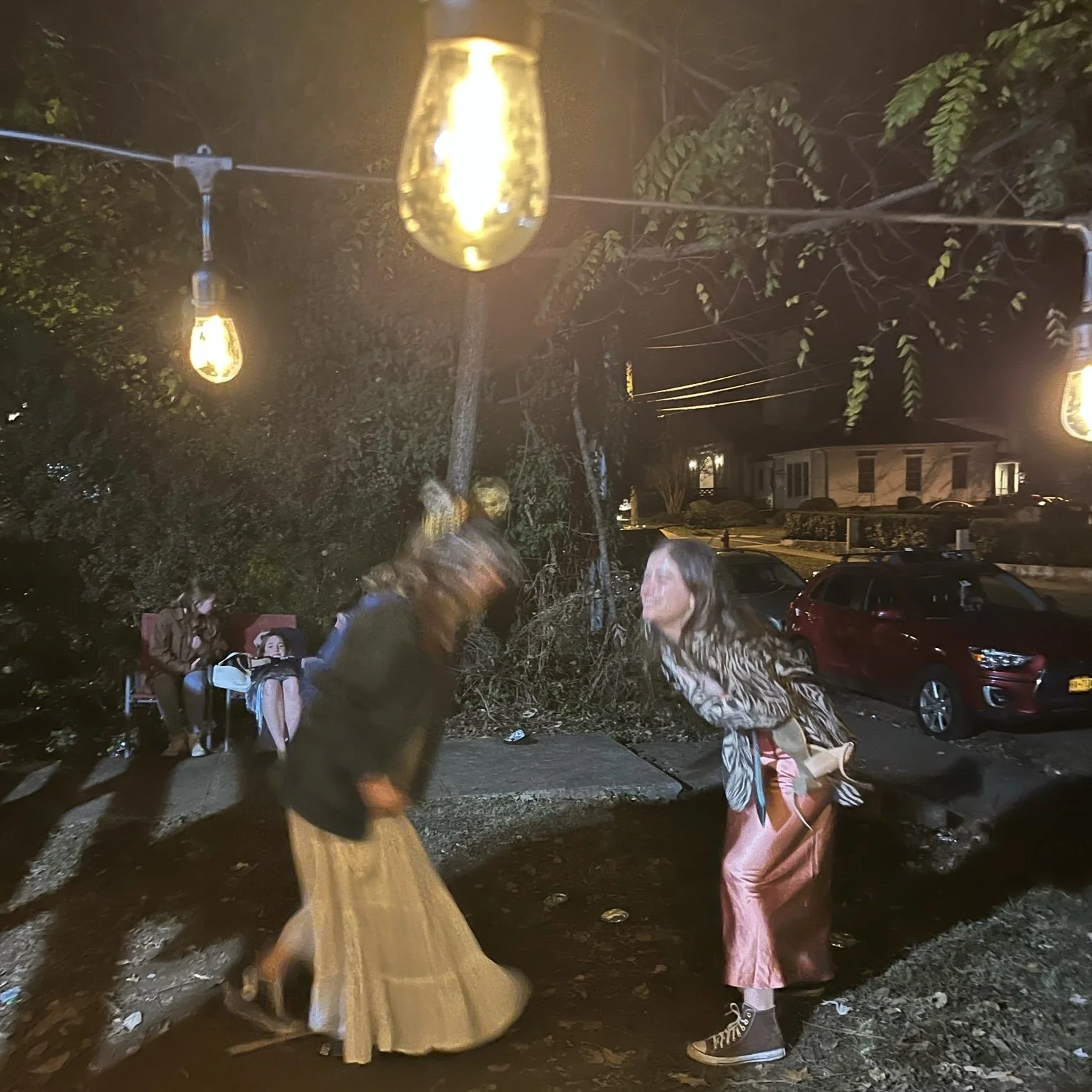
We don’t have to dim our colors when we’re dancing.
Megan Clancy is a recent UVA grad, writer, and independent musician currently based in Portland, Maine. She is passionate about dad rock, women authors, poets, and musicians, and human creativity in the age of AI. She will be featured as a contributing writer in Issue 04 of Artypants Magazine. For more essays like these, follow Megan’s new blog on Substack, or listen to her music here (under the artist name Midge).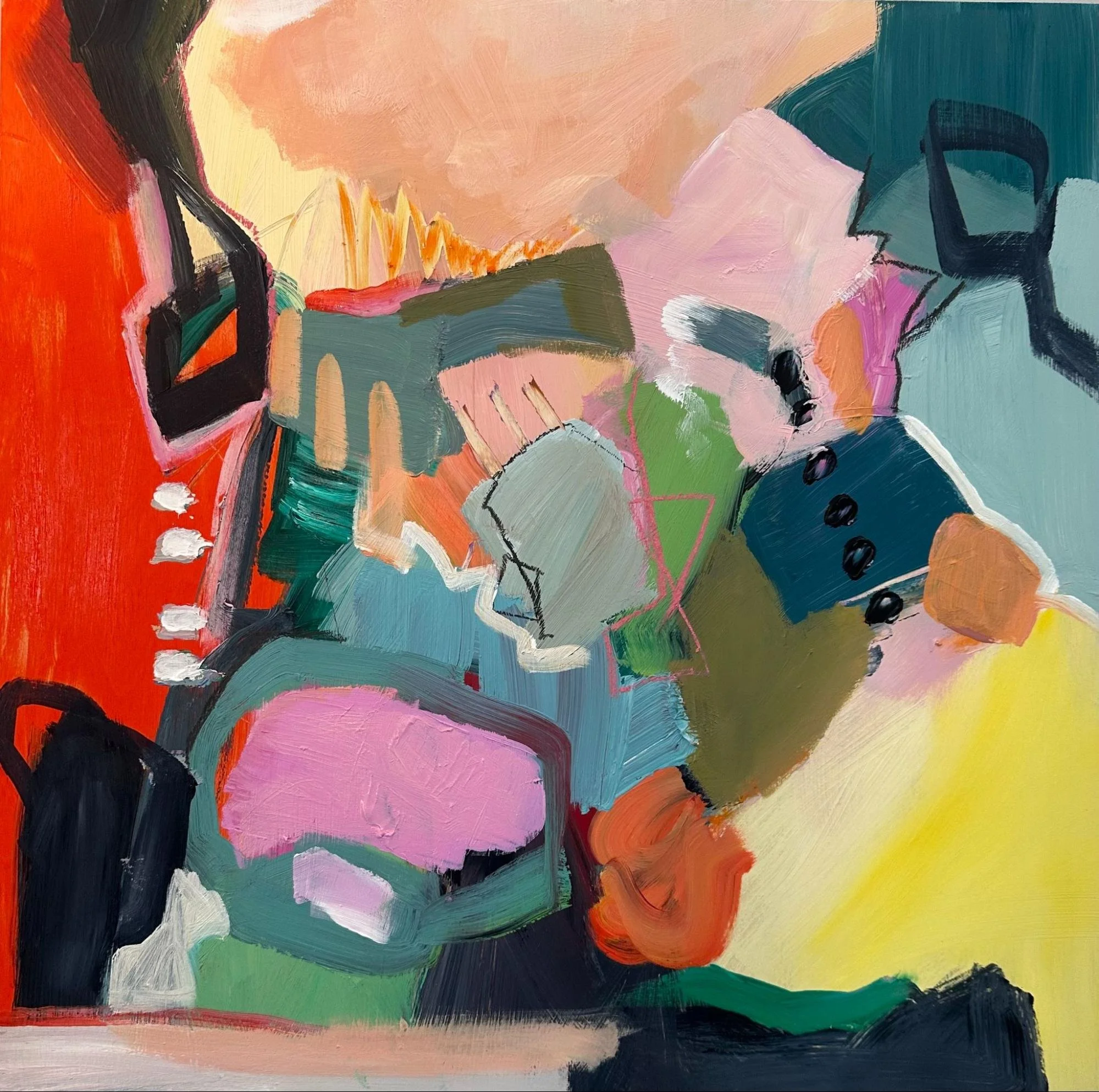
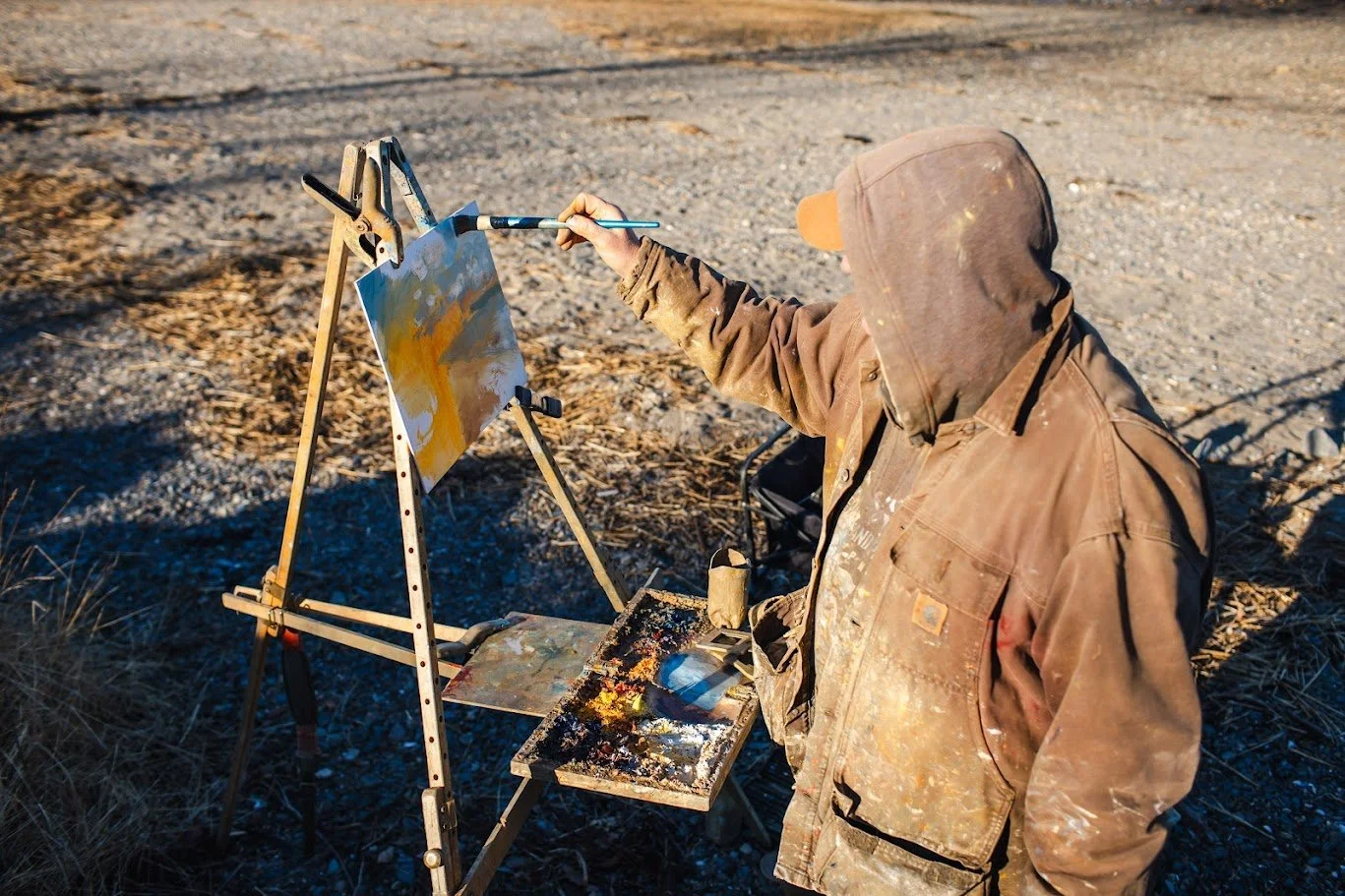
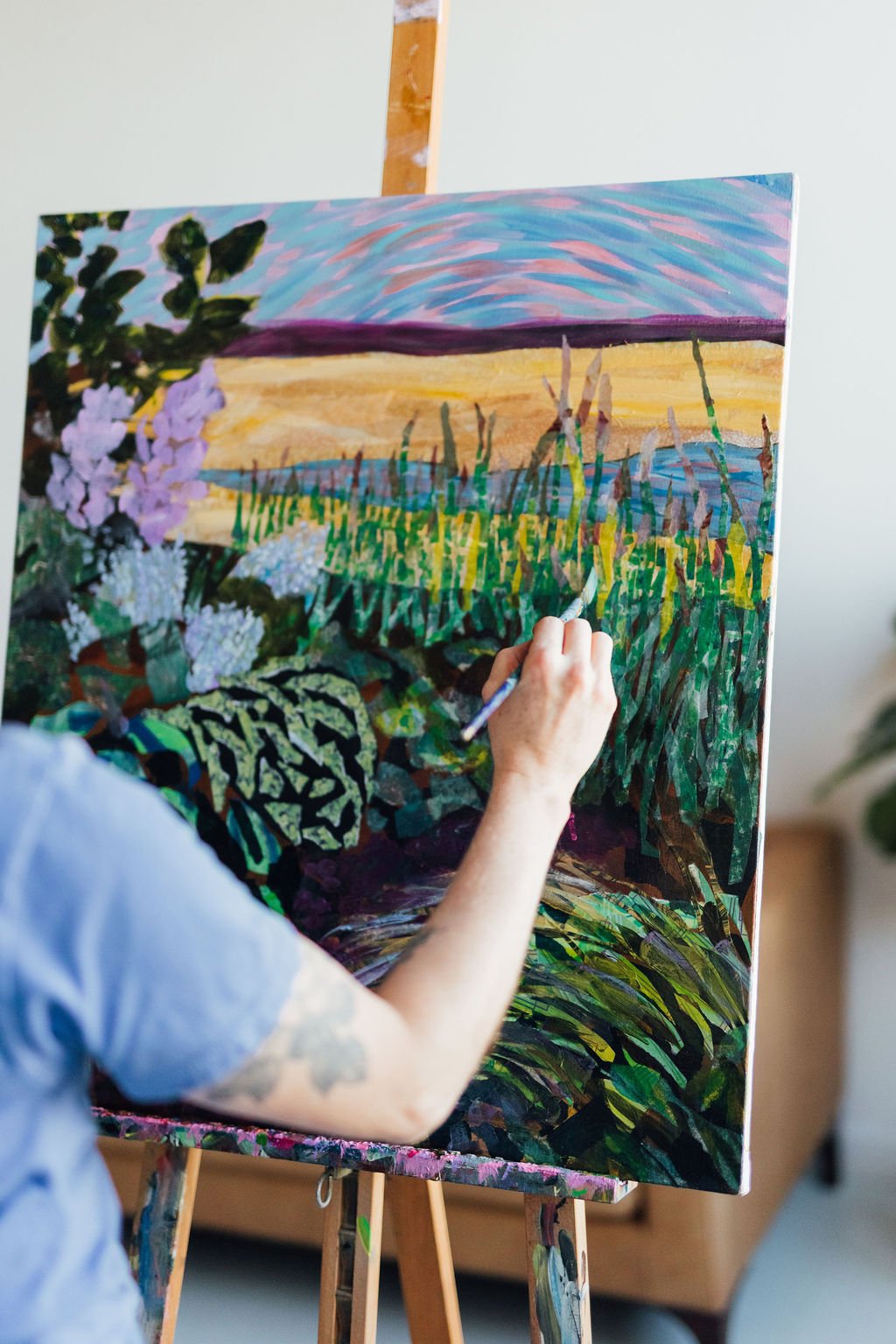

Issue 03 of Artypants Magazine reinvigorates print, highlights, and amplifies New England artists while awakening creative dormancy.
7x10 format, printed in MA